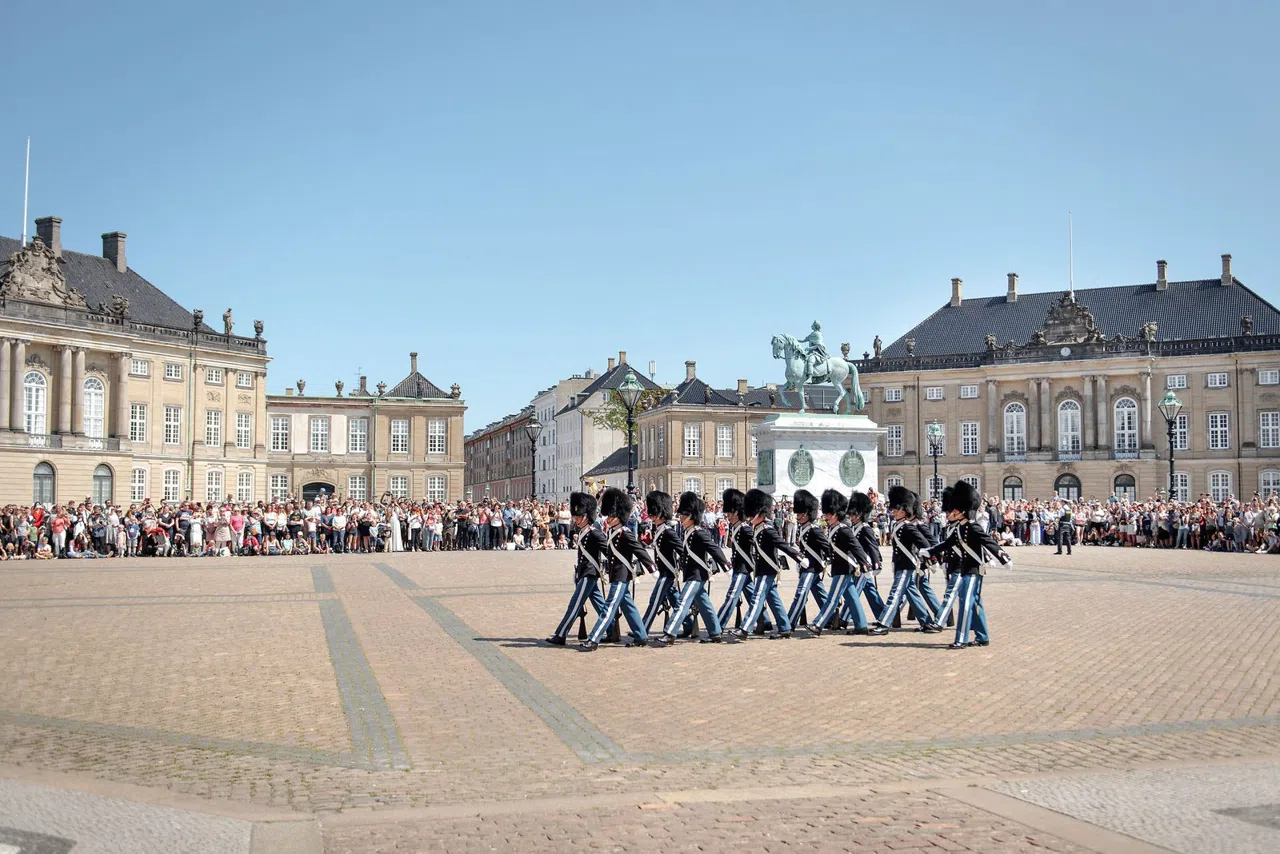

The guard comes down Bredgade at a pace you hear before you see it, and by five to twelve the cobbles at Amalienborg are a ring of raised phones three deep. Come back at half past nine, or at four in the afternoon, and the same square belongs to you, two sentries and somebody raking gravel. September gives you both versions in one day, with enough light left afterwards to walk the harbour.
What you actually see at Amalienborg
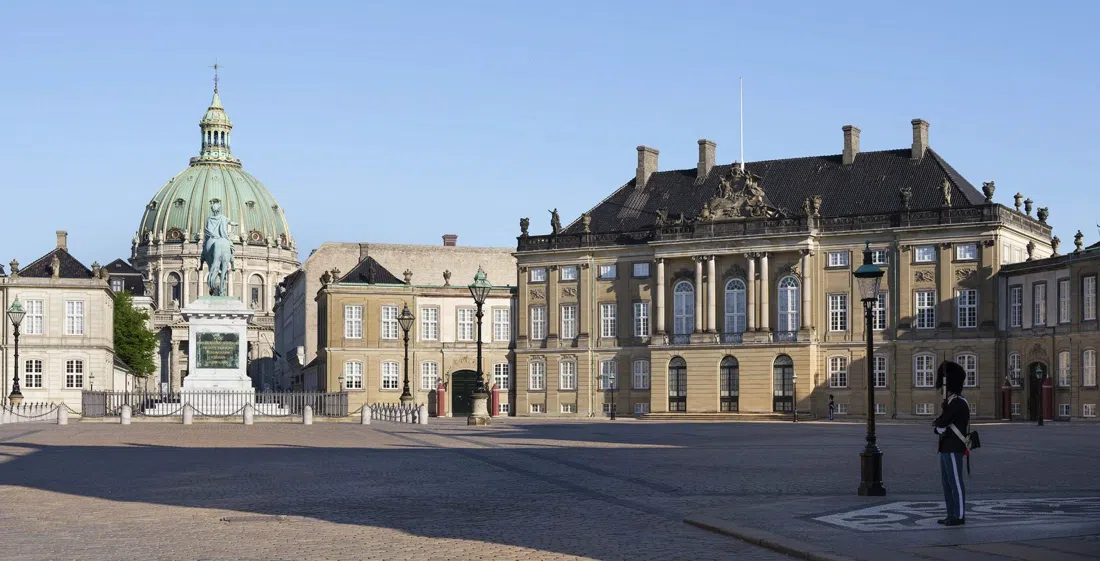
Frederiksstaden is laid out around Amalienborg Palace Square (Slotsplads): four near-identical rococo palaces facing one another across an octagon, with an equestrian statue in the middle. It is a working royal address, not a monument. Frederik VIII's Palace is King Frederik X's home, and the sentry boxes are staffed whether or not anybody is watching. The square is free and open air, no ticket and no door policy, so it costs nothing to look in twice in one day. That is exactly what I would do.
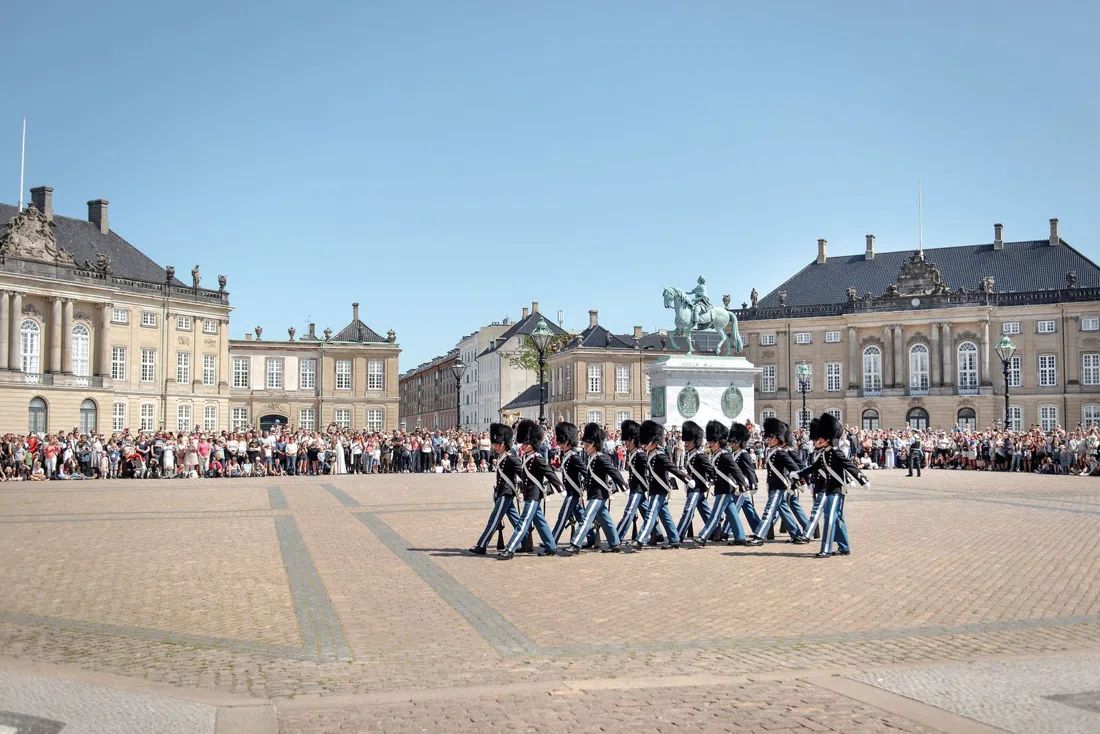
The Changing of the Royal Guard is why most people are standing there at noon. The march leaves the barracks on Gothersgade at 11:27 and reaches the square just before twelve, and since January 2024 the ceremony ends with the flag delivered in front of Frederik VIII's Palace instead of Christian IX's. Stand on that side of the octagon; older itineraries still point at the other one. Marshals keep spectators in marked zones, 1.5 m off the palace walls and off the steps. Nobody is turned away, but a party of fifteen that clumps at the front gets moved along the edge, so split into twos and threes on the way in.
Walking the guards' route from Rosenborg
Start where the guard starts and a short ceremony becomes a whole morning. Rosenborg Castle & King's Garden (Indre By, on Gothersgade) is beside the barracks, so the 11:27 march sets off from its doorstep. Tickets are timed and cost 140 DKK for adults in 2026 including the Treasury, under 18 free, and it is covered by the Copenhagen Card. The Treasury is the pinch point for anything bigger than a family; if you are a group, agree a meeting time out in the garden instead of trying to hold everyone together underground.
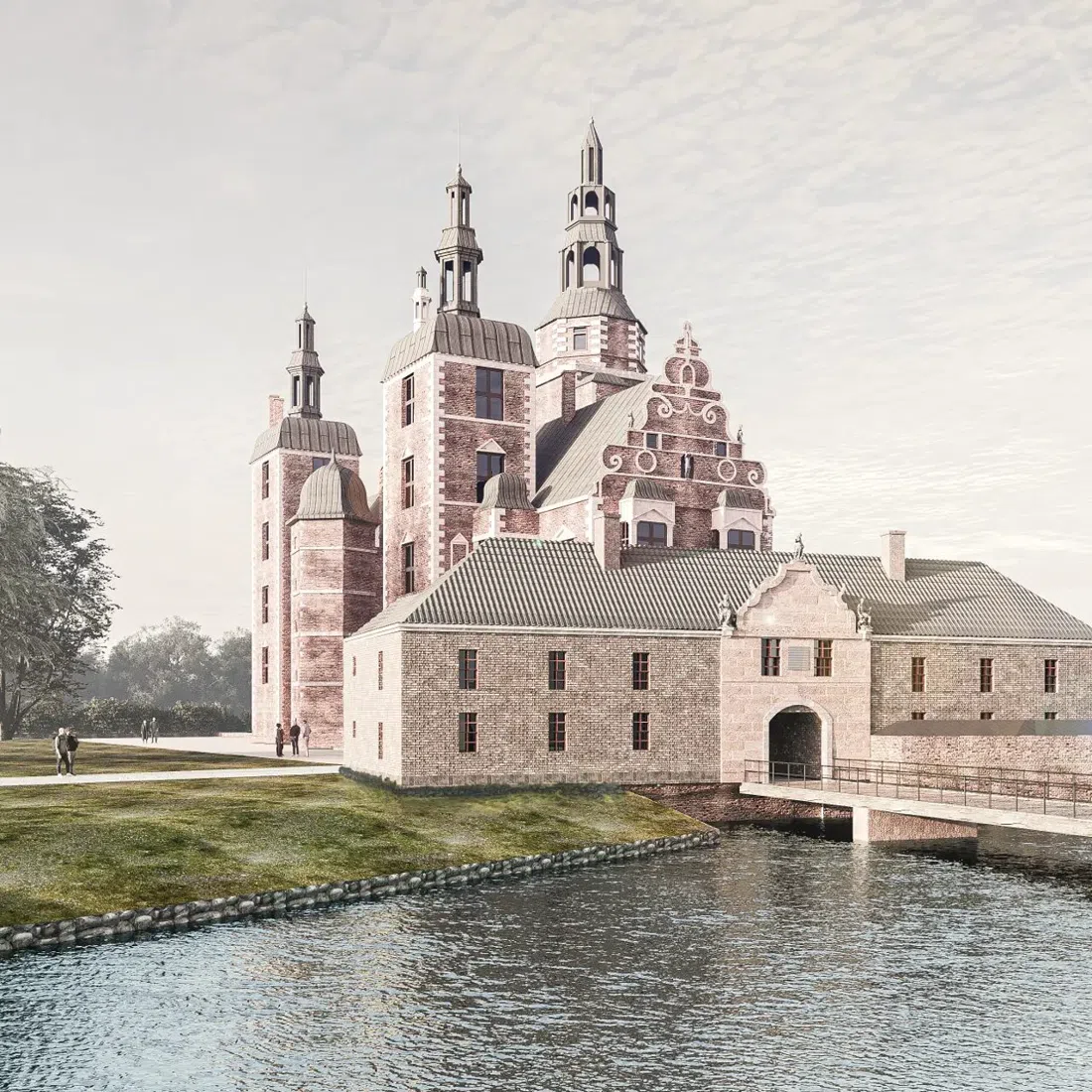
Be at Rosenborg when it opens, give it an hour or so, leave by a quarter past eleven and walk the guards' route down Gothersgade and along Bredgade. It is roughly fifteen minutes on foot, about five on a bike, and flat all the way. You reach the square ahead of the march with time to pick your position.
The one palace you can walk into
Amalienborg Museum (Christian VIII's Palace) (Frederiksstaden, entry through the gate nearest Frederiksgade) is the only one of the four you can normally enter, and the intact suites of Christian IX and Queen Louise are the reason to go in rather than only watch from the cobbles. Entry is 125 DKK for adults with 10 DKK off per ticket booked online, under 18 free but still requiring a ticket, and free with the Copenhagen Card. Timed online tickets are the sensible move in September, when one rained-off afternoon sends everybody indoors at the same time. Allow an hour if you read the labels.
Public guided tours run, and private group and school tours can be booked in advance. Christian VII's Palace opens only for separately booked guided tours, so do not promise anyone the Throne Chamber on the strength of a museum ticket.
The dome that photographs the square
The best photograph of Amalienborg from above comes from the dome of Frederik's Church (Marmorkirken) (Frederiksstaden, one block inland from the square). The church is free to enter, Monday to Thursday 10–17, Friday 12–17, Saturday 10–17 and Sunday 13–17, closed during services and concerts. The dome walk costs 50 DKK for adults, free under 12.
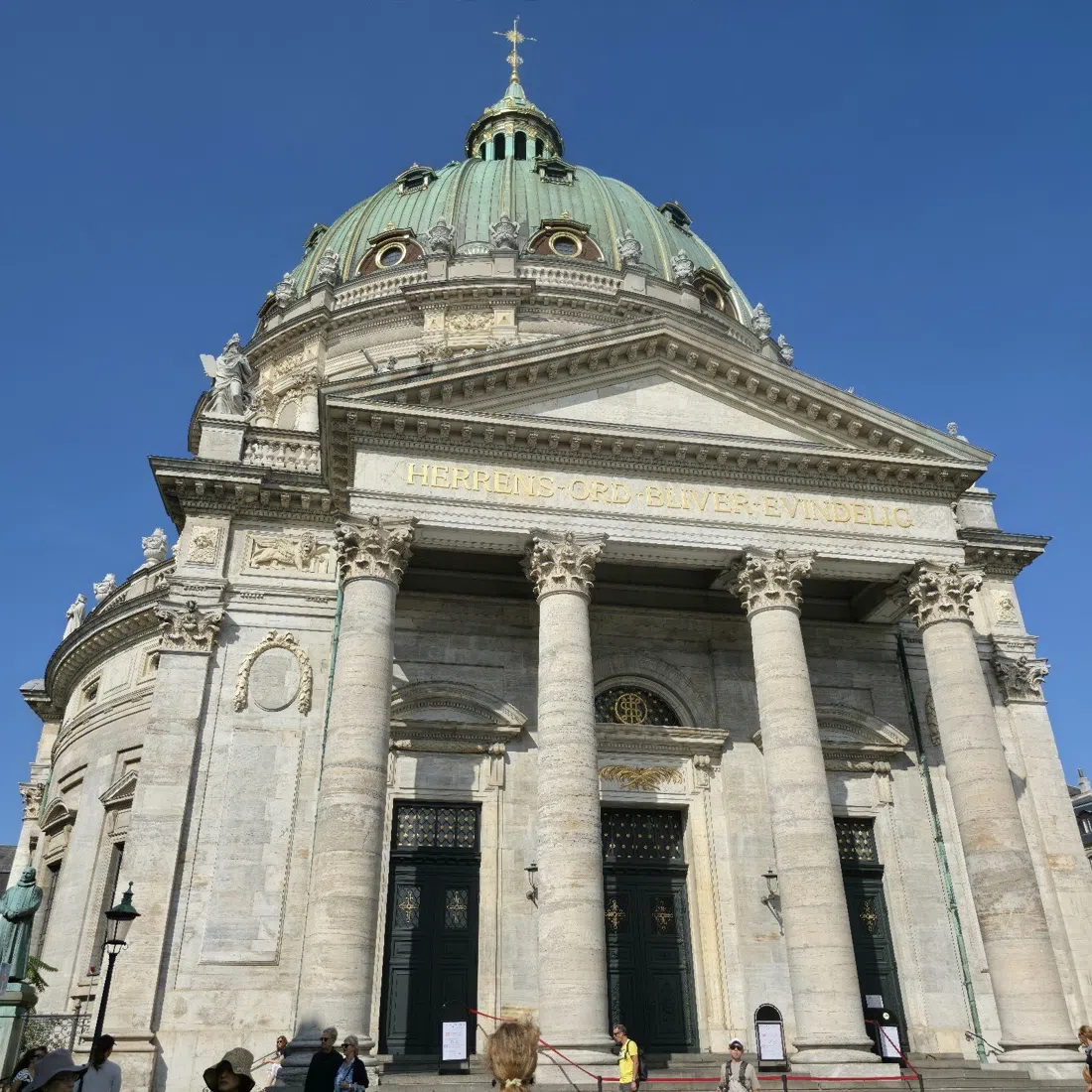
The dome tour runs only on Saturday and Sunday at 13:30, it is capped at fifteen people, it cannot be pre-booked, and it does not run in bad weather. That combination is what wrecks most plans built around it. If the view matters to you, aim for a weekend, be at the door well before half past one, and keep an indoor fallback in your pocket in case September closes in. For any group larger than a handful, treat it as unavailable and say so in advance instead of queueing and disappointing people.
The quiet hours either side of noon
Before ten, the square is sentries, gravel and the odd commuter cycling through. Amaliehaven (waterfront, directly on the harbour side of the square) is where I would take the first coffee: an unstaffed public garden, free, sitting exactly on the axis between the palace square and the water. From a bench there you can see why Frederiksstaden lines up the way it does. It is sheltered enough to be pleasant on a cool September morning, and it is the obvious place to park a walking group before or after the ceremony.
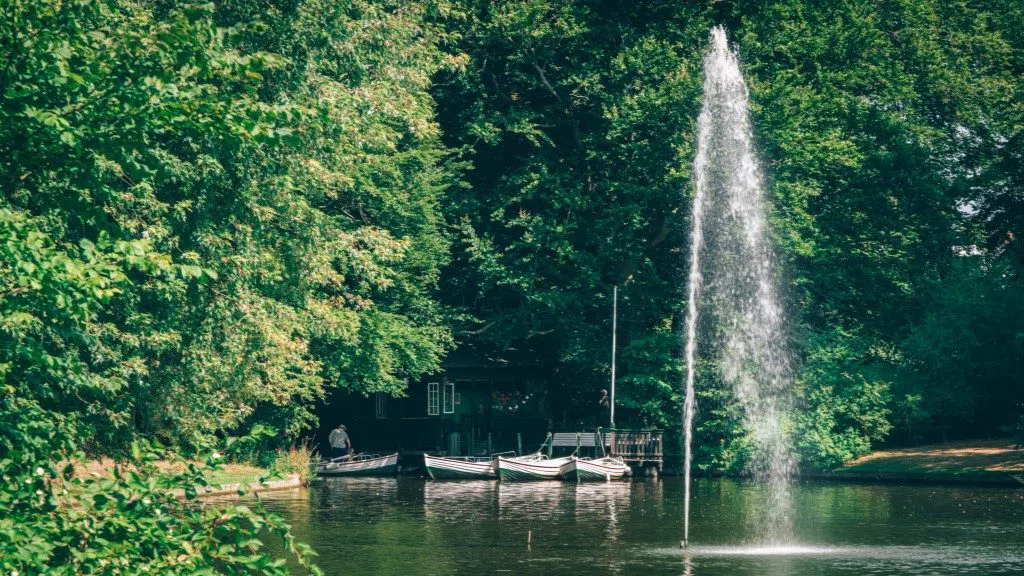
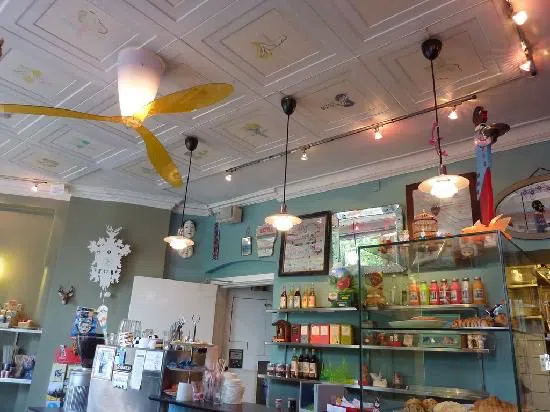
The coffee itself comes from Kafferiet (Esplanaden, on the walk from the palace out to Kastellet), open since 1998, takeaway-first and genuinely small: 35 to 55 DKK a cup, fine for a group to buy from in ones and twos, useless as a sit-down stop for more than four. It is the sensible caffeine halt before claiming a place on the square at 11:45.
The second quiet hour is late afternoon. Once the noon crowd disperses the palaces get their proportions back, the low September sun comes down the length of Amaliegade, and you can stand as close as the marked zones allow with nobody's arm in your frame. If you only have one visit, take the ceremony; if you have a spare hour, the empty square is the better memory.
North to Kastellet and the Mermaid
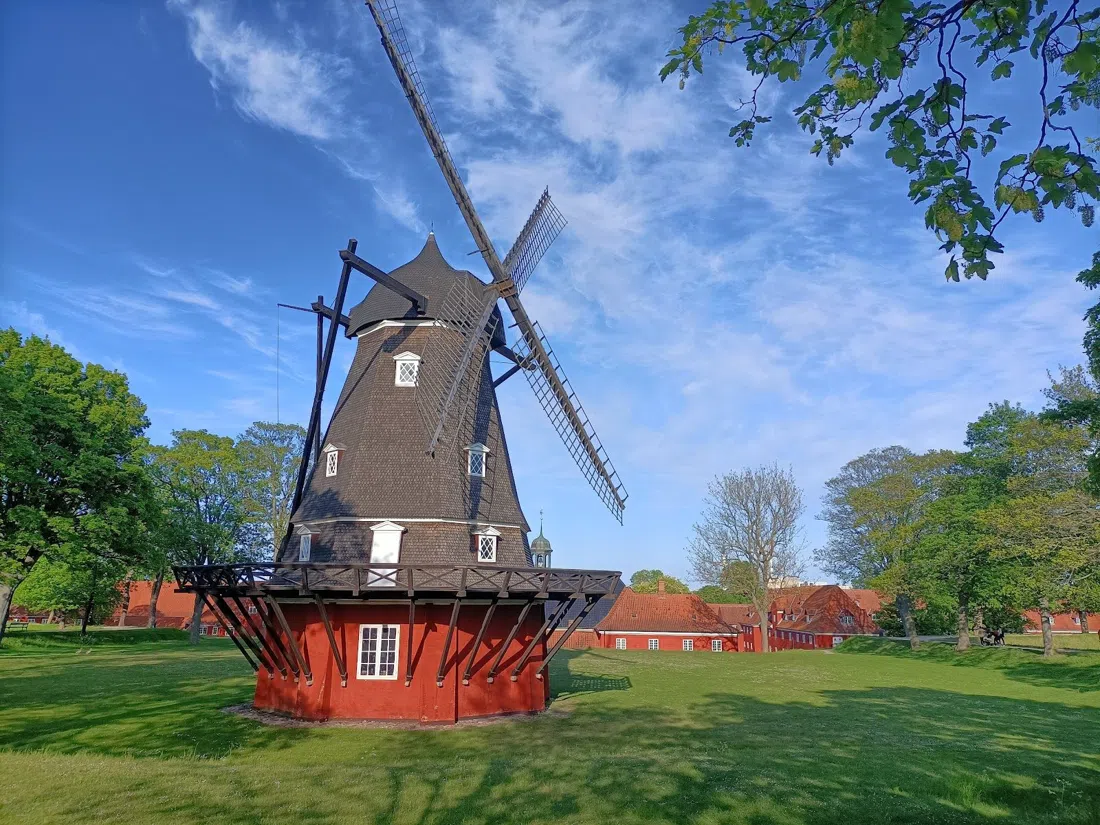
Kastellet (north of the square, entered from the Churchillparken side) is the best stretch of walking in the district and costs nothing: a star fort with gates open daily 06:00–22:00 and a rampart circuit of about 20 to 25 minutes that joins Amalienborg to the Little Mermaid without touching a main road. It is still an active military site, so keep to the cobbled paths and off the grass. No booking is needed and guided groups are fine. Bikes are better locked at the gate than wheeled along the top.
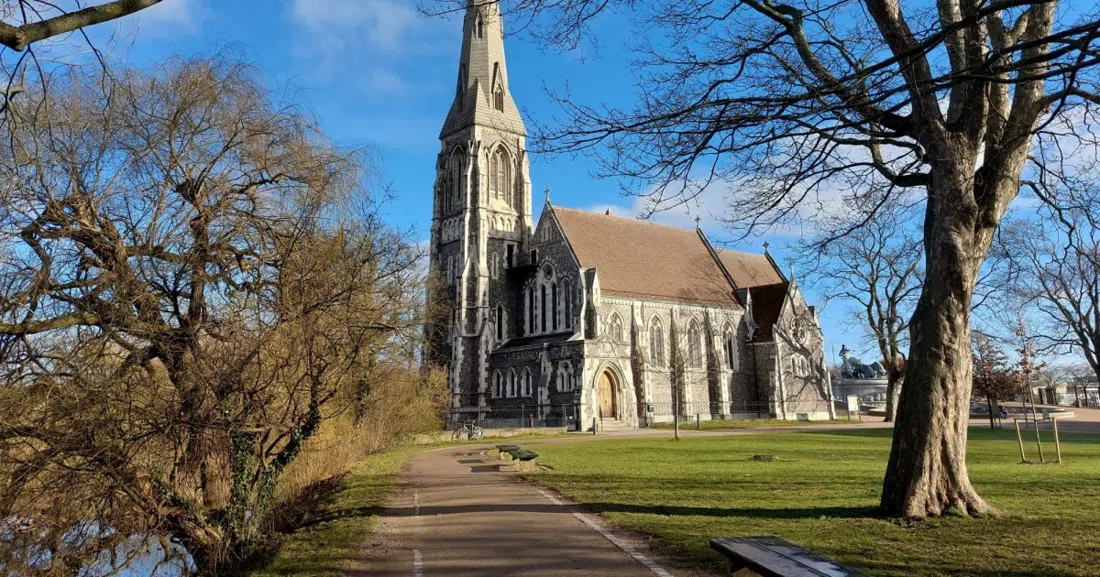
Halfway there you pass the Gefion Fountain & St Alban's Church (Churchillparken), both free and open air. The fountain looks best in morning light, one argument for walking north before the ceremony instead of after. St Alban's keeps limited visiting hours around Anglican services, so count on the outside and take the interior if it happens to be open.
The Little Mermaid (Den lille Havfrue) (Langelinie) is a fifteen-minute walk from the palace, and I include her for honesty rather than enthusiasm. The promenade is free with no barriers, but the viewing spot is tight and larger groups end up in an informal queue for the one photograph angle. She is smaller than every photograph suggests. Go early or late, when the coach arrivals thin out.

South to the harbour and Nyhavn
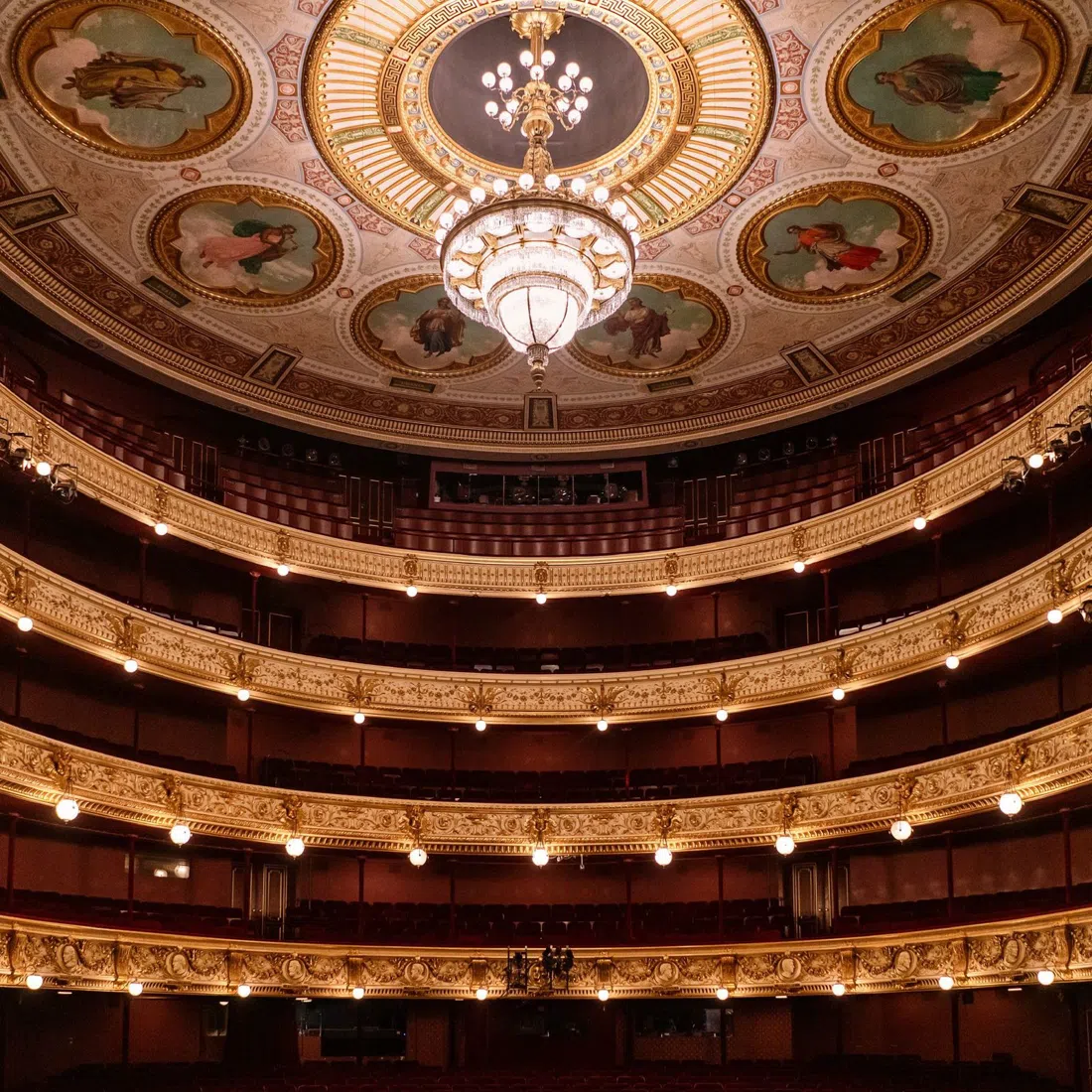
The Royal Danish Playhouse (Skuespilhuset) (harbourfront at Sankt Annæ Plads) is where a walk naturally turns from the water back toward Amalienborg. The foyer, café Ofelia and the boardwalk are free to walk into during the day, the outdoor bar runs 10:00–18:00 and again between performance intervals, and a coffee or a beer is roughly 40 to 75 DKK, mains higher. The boardwalk is the best low-effort harbour view in the district and needs no ticket at all.
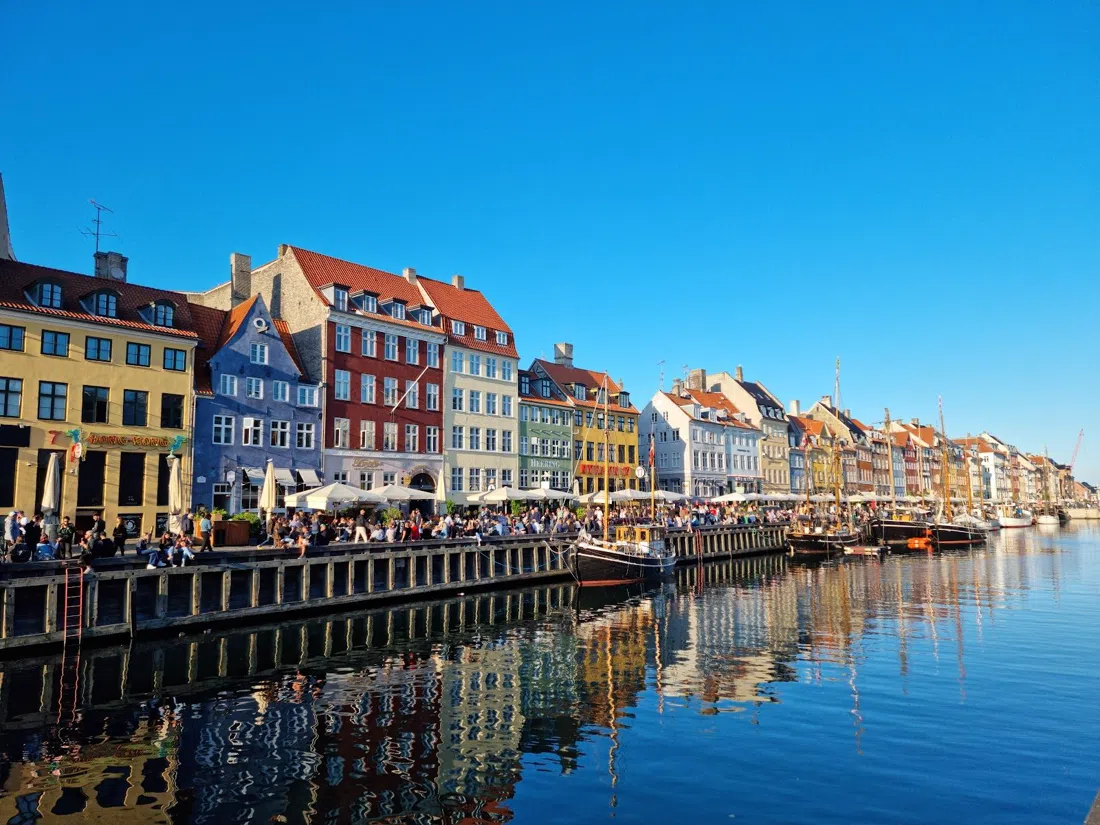
Nyhavn (eight minutes from the palace square) is the standard start or finish of an Amalienborg walk, free to walk and always open. The quayside terraces charge a premium for the postcard and pack out, which is why most guides walk groups through instead of sitting them down. Look, photograph, keep moving toward the square.
Lunch within ten minutes of the square
Café Petersborg (Bredgade) has roots back to the 1700s and is still priced for locals, not tour traffic: smørrebrød at roughly 90 to 150 DKK a piece, open Monday to Friday 12:00–21:00 and Saturday 12:00–16:00. It is closed on Sunday, which catches out weekend visitors walking straight off the noon ceremony. The rooms are small, so anything above six people should phone ahead.
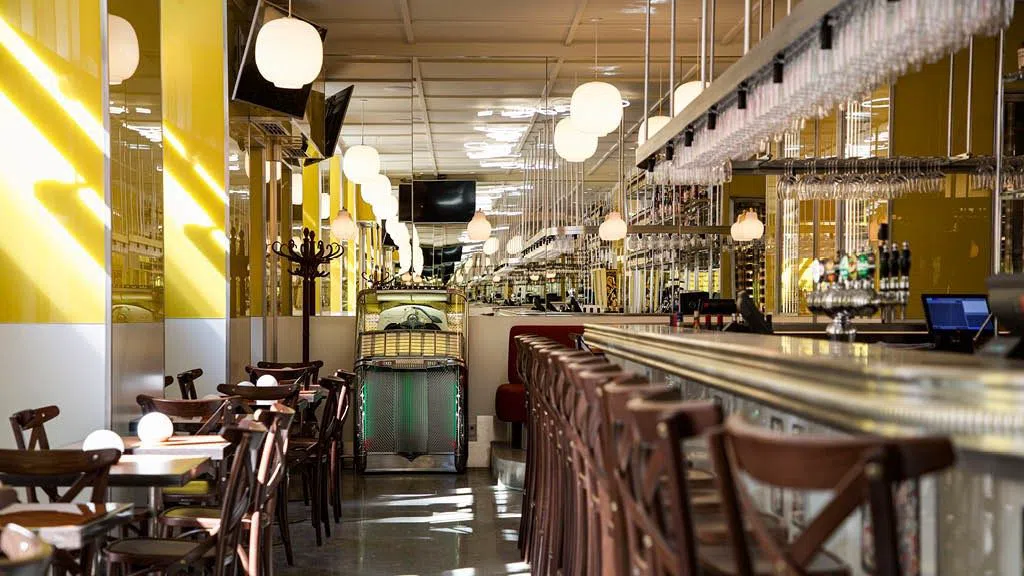
Lumskebugten (Esplanaden, on the way to Kastellet) has been open since 1854 and is the grown-up lunch between the palace and the fort: smørrebrød around 150 to 200 DKK, dinner higher and French-leaning, and dedicated function rooms that let it take private parties better than anywhere else nearby. Book ahead at either end of the day.
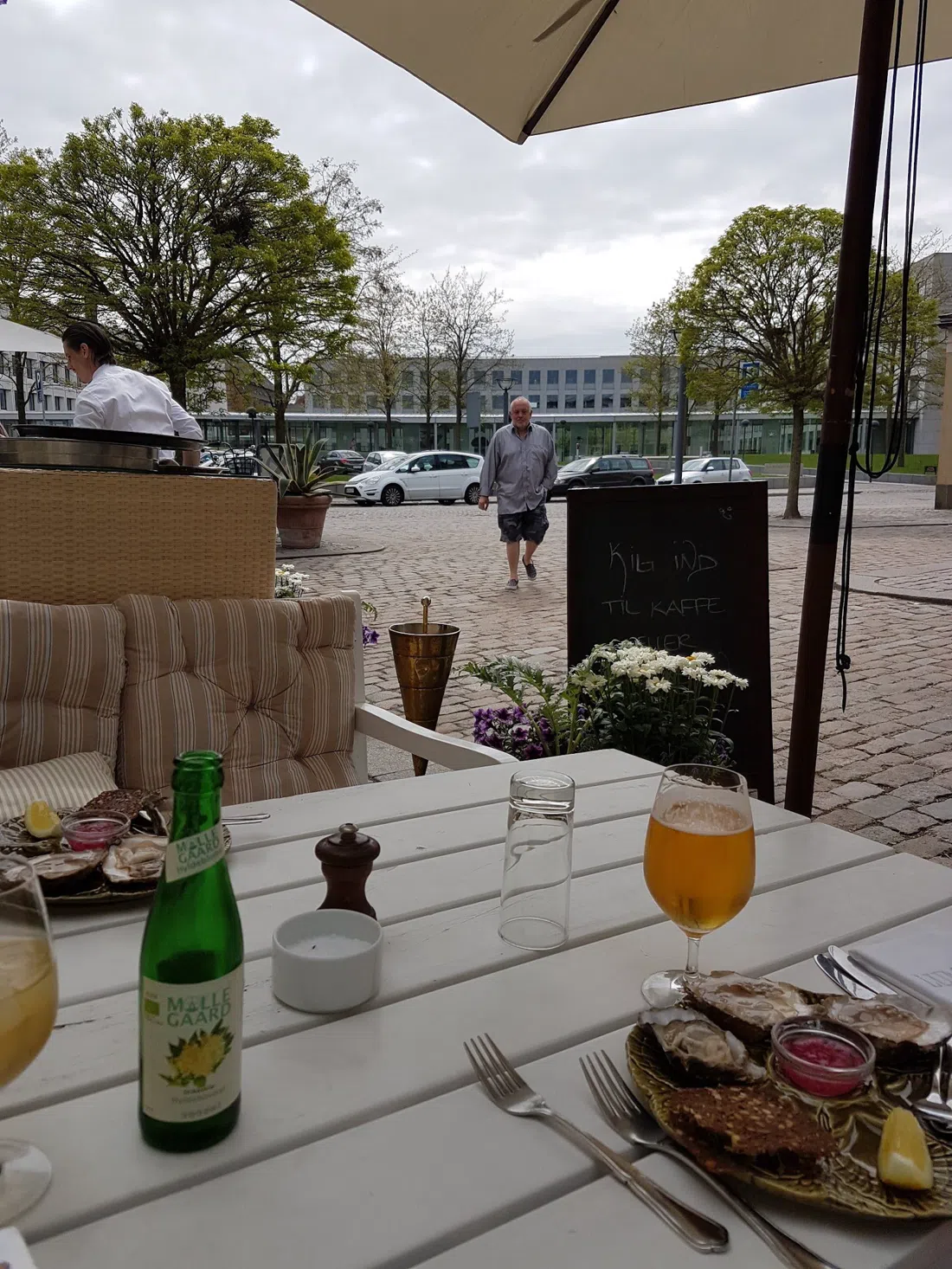
Seaside Toldboden (Nordre Toldbod, ten minutes north on the water) is the pragmatic answer for a mixed group: seven independent kitchens under one roof, long communal seating, roughly 120 to 250 DKK a dish, walk-ins normally fine and worth booking for a larger party. The covered terrace keeps it usable when September weather turns, and nobody has to agree on a single menu.
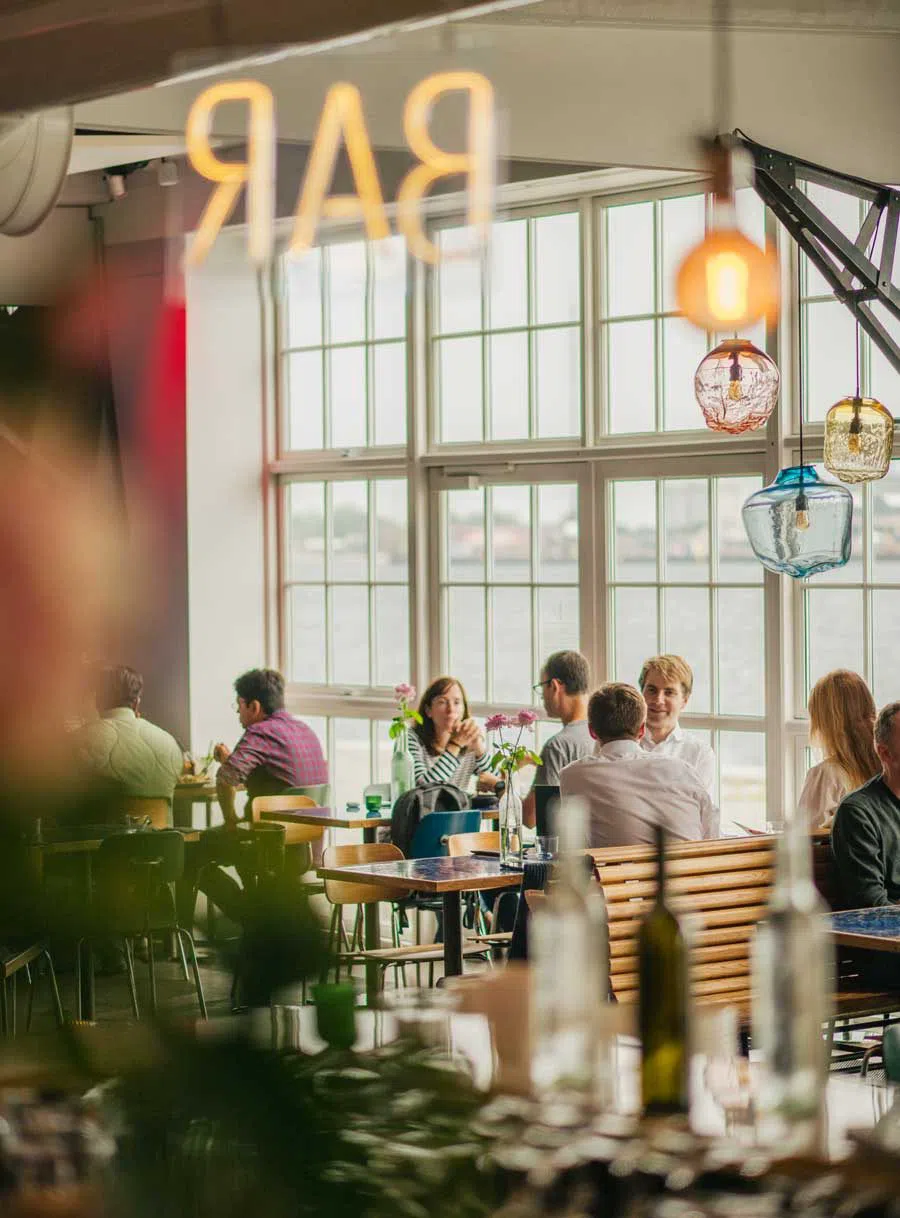
Two rooms for a September shower
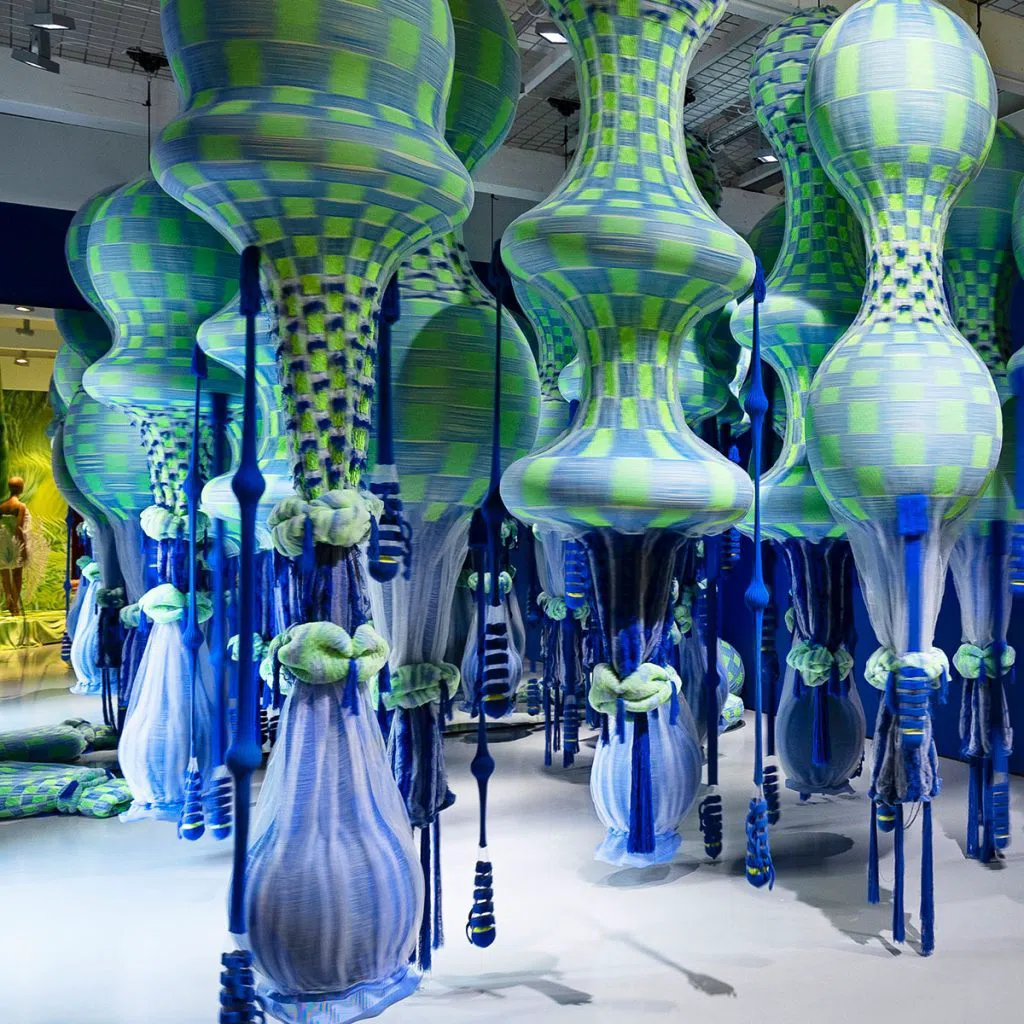
Design Museum Denmark (Bredgade, five minutes north of the palace on the same street) is the obvious indoor pairing: Tuesday to Sunday 10:00–18:00, Thursday to 20:00, closed Mondays. Entry is 140 DKK for adults, 90 DKK under 27 and students, under 18 free, 110 DKK a head for groups of ten or more, and free with the Copenhagen Card, with a booking email for organised parties. The chair corridor is the one Copenhagen design image everybody recognises.
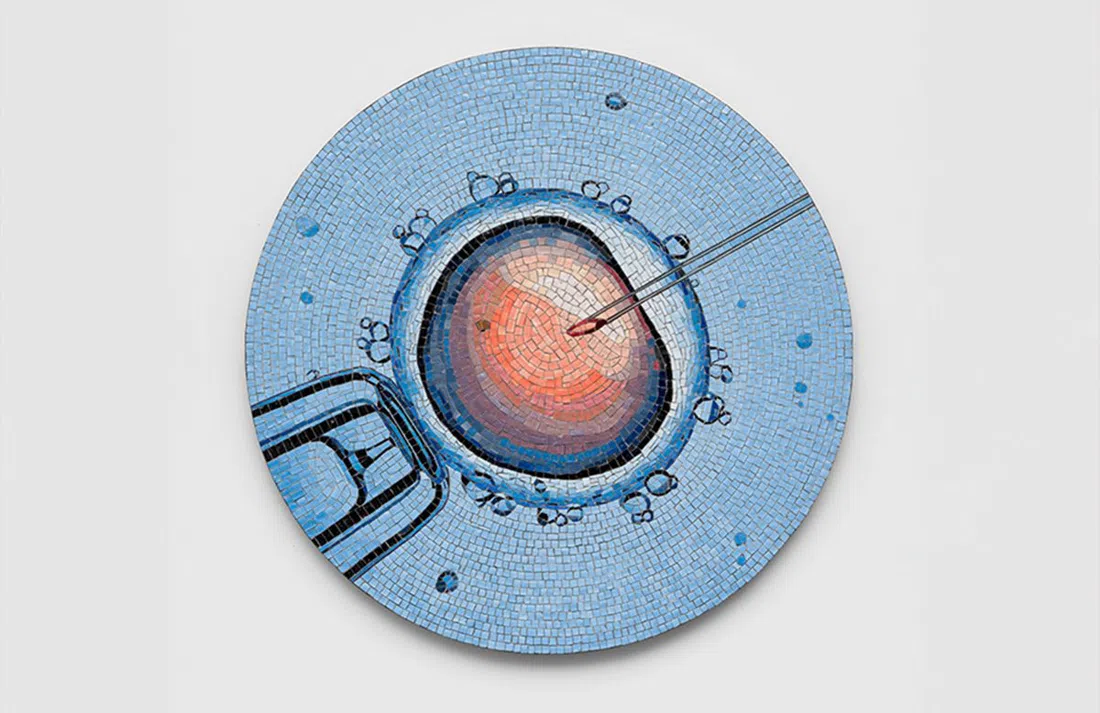
Medical Museion (Bredgade) is the strangest room within a five-minute walk of Amalienborg and a genuine counterweight to royal gilt: Tuesday to Friday 10–17, weekends 11–17, closed Mondays, 110 DKK adult, 70 DKK student, 50 DKK for ages 7 to 17, under 7 free, free with the Copenhagen Card. Free ten-minute English introductions run daily and guided group tours can be booked. Be straight about access before you send anyone there. It is a listed building with no lift and several staircases, so it does not work for wheelchair users.
Tickets at the door or a guided walk
The ceremony has no ticket, no door policy and no queue in the usual sense; you simply stand where the marshals let you stand. The museum is the only paid part of Amalienborg itself, and buying that timed slot online saves 10 DKK and a wait on a wet afternoon. If you would rather have somebody explain who lives behind which windows, a guided walking option exists and is attached to this page separately. Know two things before you build a day around it. The operator confirms the private walk manually, so allow up to 48 hours and do not treat it as a last-minute booking. And it starts from 394 USD per person, priced in dollars, not kroner, which makes it a considered purchase. It does run seven days a week, so the lead time is the constraint, not your travel day.
Is Amalienborg worth it
Yes, with a ranking. The square and the guard are free and genuinely good: a compact, unhurried ceremony in one of the best-proportioned spaces in the city, about twenty minutes of your day, no ticket and no gatekeeping. The museum earns its 125 DKK if lived-in interiors interest you more than state rooms, and it is the only way inside any of the four palaces without a separately booked tour. The dome is the finest thing in the district for a photographer and the hardest to secure: weekends only, no booking system, and nothing at all in bad weather.
Couples and solo travellers do best, because the good spots on the square are narrow and the dome takes fifteen people at a time. Families do well too. Under 18s are free at the museum, at Rosenborg and at Design Museum Denmark, and the Kastellet ramparts burn off energy for nothing. Groups are fine on the square if they spread along the edges, and fine at Seaside Toldboden and Lumskebugten, but the dome, Café Petersborg's small rooms and Kafferiet's counter all struggle with them. If you want a grand palace interior with guides in every room, this is not it. It is a living address you get to stand in front of.
Best time to go in September
Early to mid September is the sweet spot. Mornings are cool but dry more often than not, the light down Amaliegade is long enough for photographs well past four, and the summer coach volume at the Little Mermaid has started to thin. Tuesday to Friday is the quietest run at the ceremony and also the only window when both museums are open, since Design Museum Denmark and Medical Museion close on Mondays. Saturday is the day to go if the dome view is your priority, with the church open from 10:00 and the tour at 13:30. Sunday is the awkward one: the church opens only at 13:00, and Café Petersborg is shut, so plan lunch at the harbour instead. Whatever the day, the ceremony runs to the same clock: 11:27 out of Gothersgade, on the square just before noon.
Practical notes for a September visit
Transport is easy. Marmorkirken metro station puts you a two-minute walk from the square, and Kongens Nytorv works if you want to come in via Nyhavn. The district is flat and short. The square to Kastellet is about five minutes by bike, Rosenborg about the same, so a rental bike or your own feet beats anything else here. Denmark uses kroner, not euros, and cards and phones are accepted everywhere in this article; you can spend a full day without touching cash. Copenhagen Card holders get the Amalienborg Museum, Rosenborg, Design Museum Denmark and Medical Museion at no extra cost, but not the dome climb and not lunch.
Budget honestly. A free day is entirely possible: the square, Amaliehaven, Kastellet, Gefion, the Playhouse boardwalk and Nyhavn all cost nothing. Add the museum, the dome and a smørrebrød lunch and you are around 400 to 500 DKK a head. A workable September shape: quiet square at 09:30, Rosenborg at opening, walk the guards' route from 11:15, stand by 11:45, lunch at 12:30, dome at 13:30 on a weekend, then the rampart walk out to the Mermaid in the late afternoon. Staying in Frederiksstaden or near Nyhavn keeps all of that inside a ten-minute walk, so start with the Copenhagen hotel search. The wider Copenhagen guide covers what to do with the days either side.